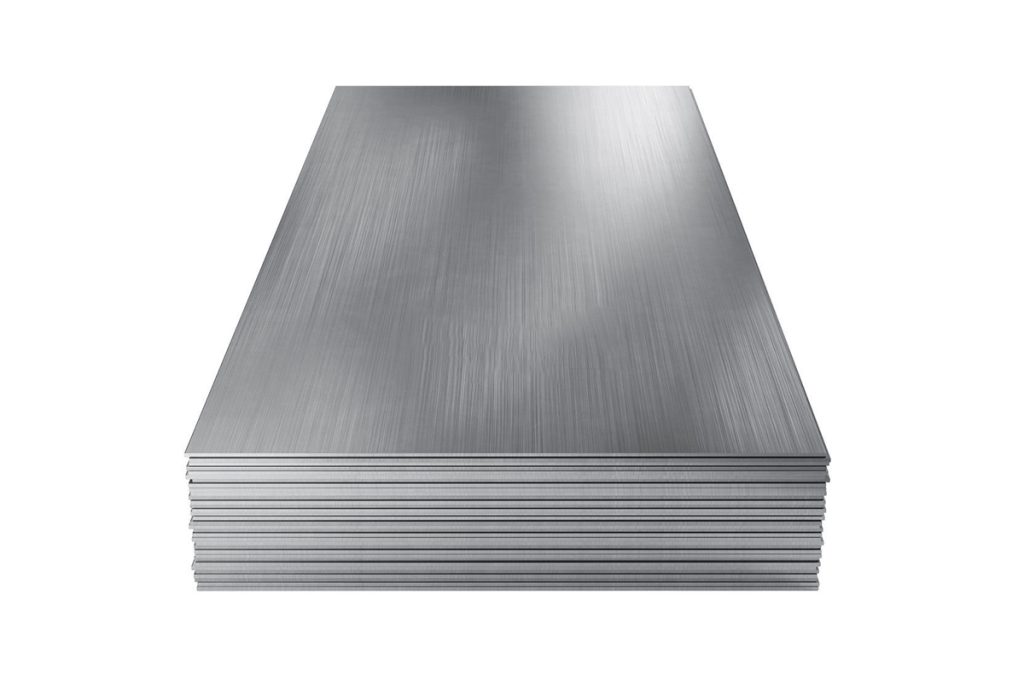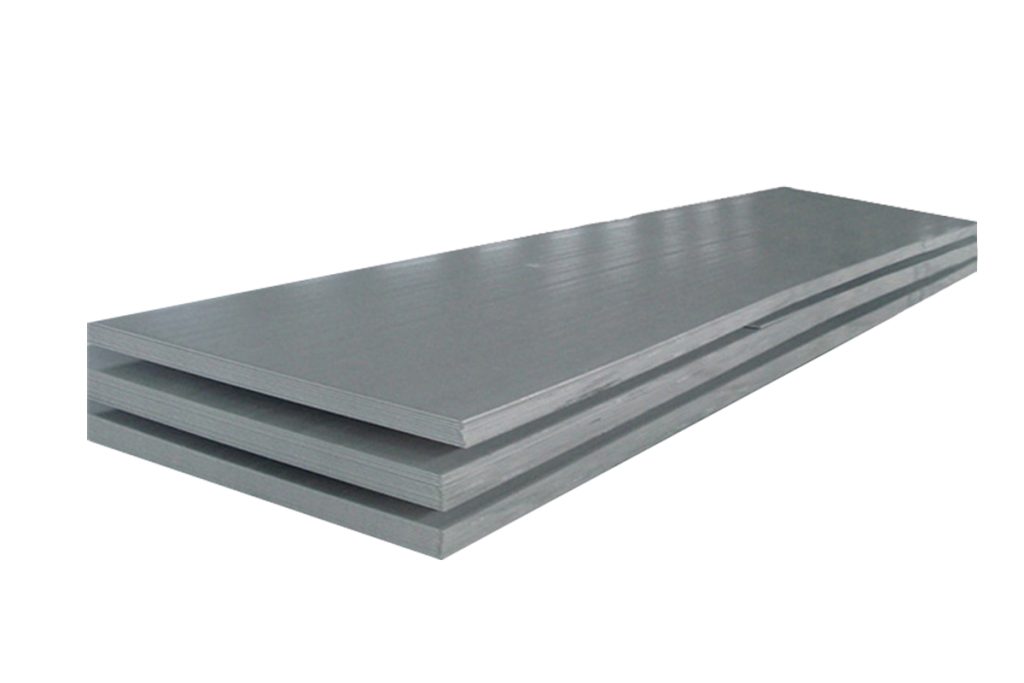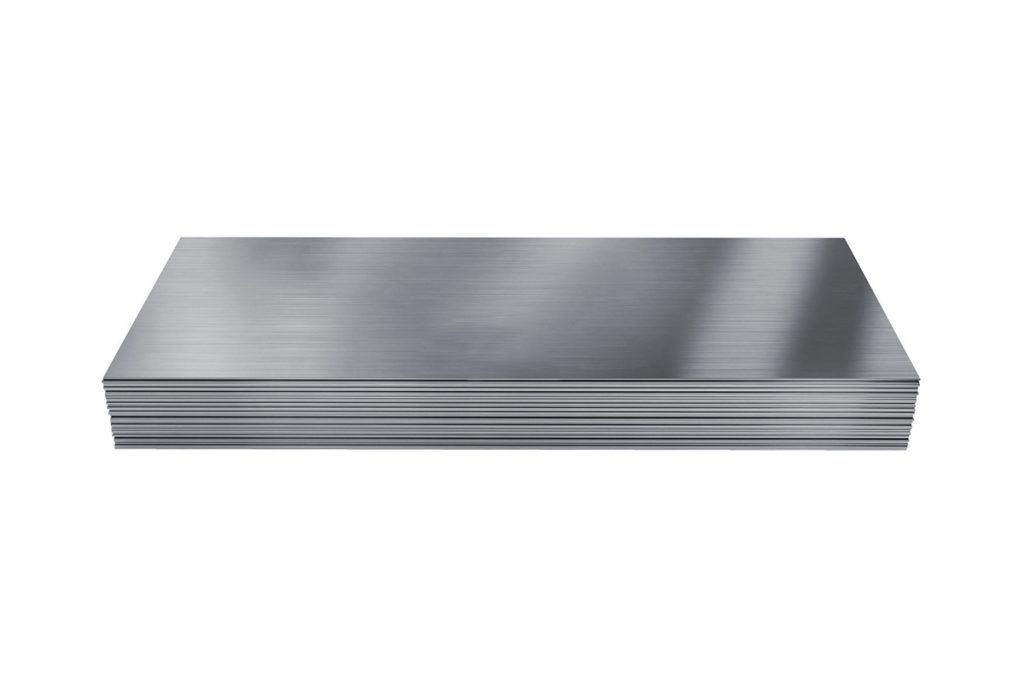
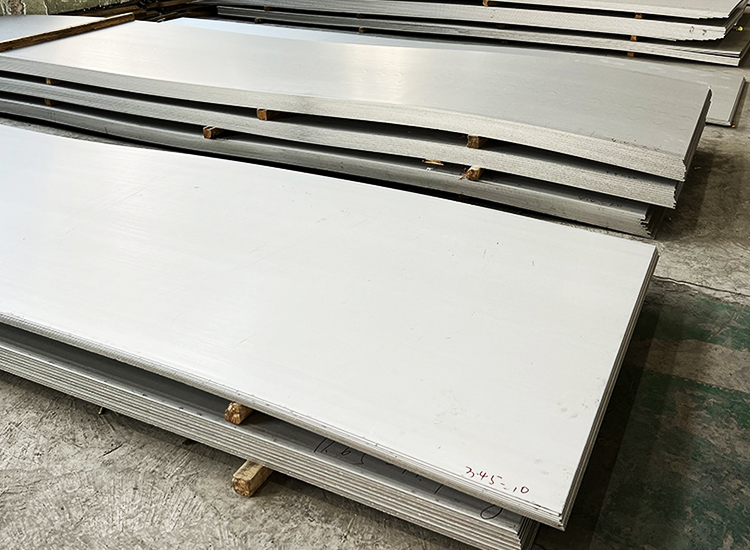
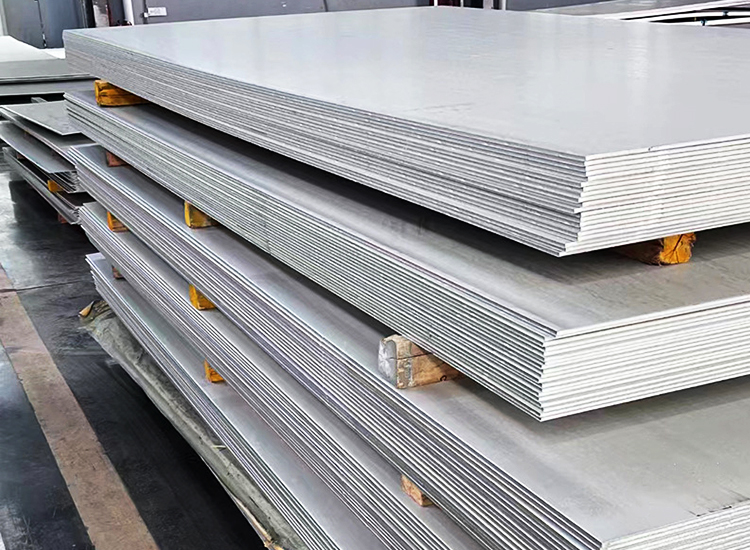
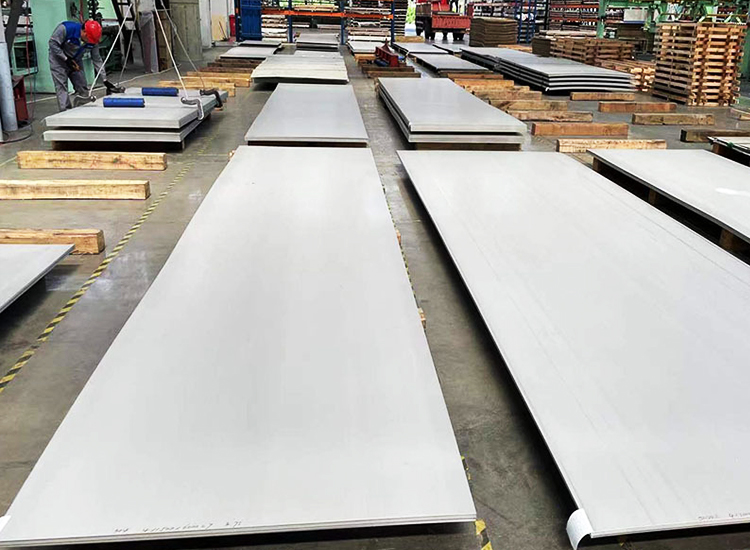
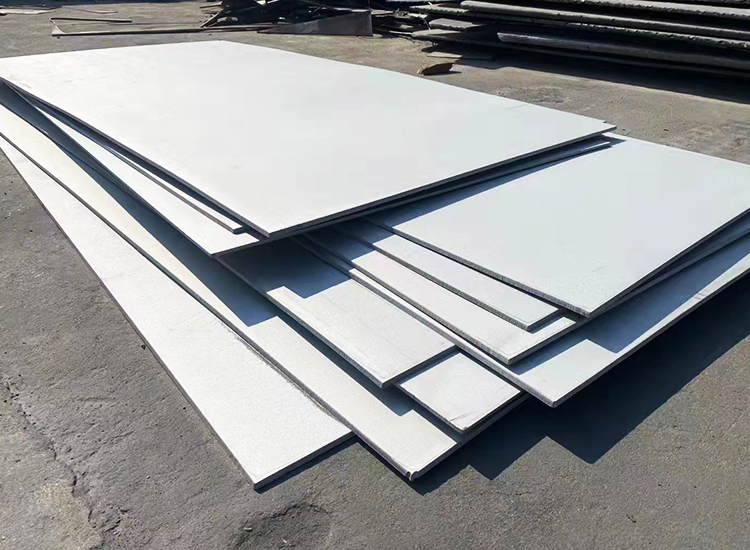
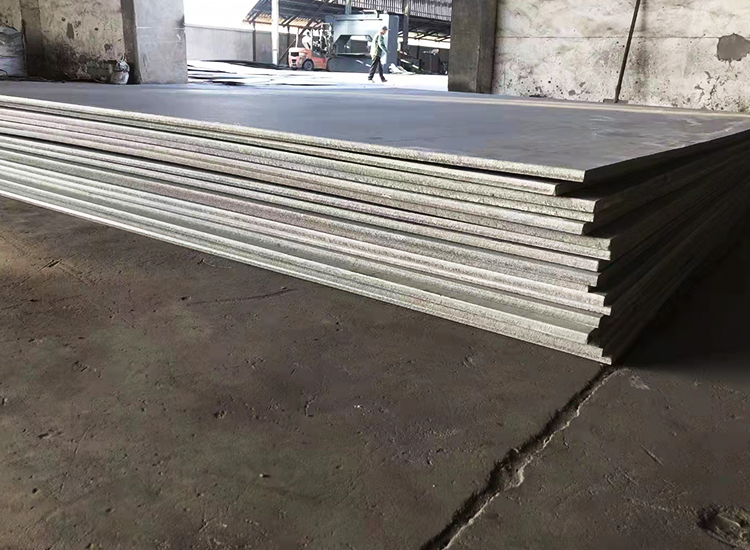
316L Stainless Steel Plate
316L stainless steel has a lower proportion of carbon in its composition. To qualify as 316L stainless steel, the amount of carbon cannot exceed 0.03%. This decreases the risk of carbon precipitation, making it a better option for welding to ensure maximum corrosion resistance.
Product Parameters
| Product Name | 316L Stainless Steel Plate |
| Type | Plate |
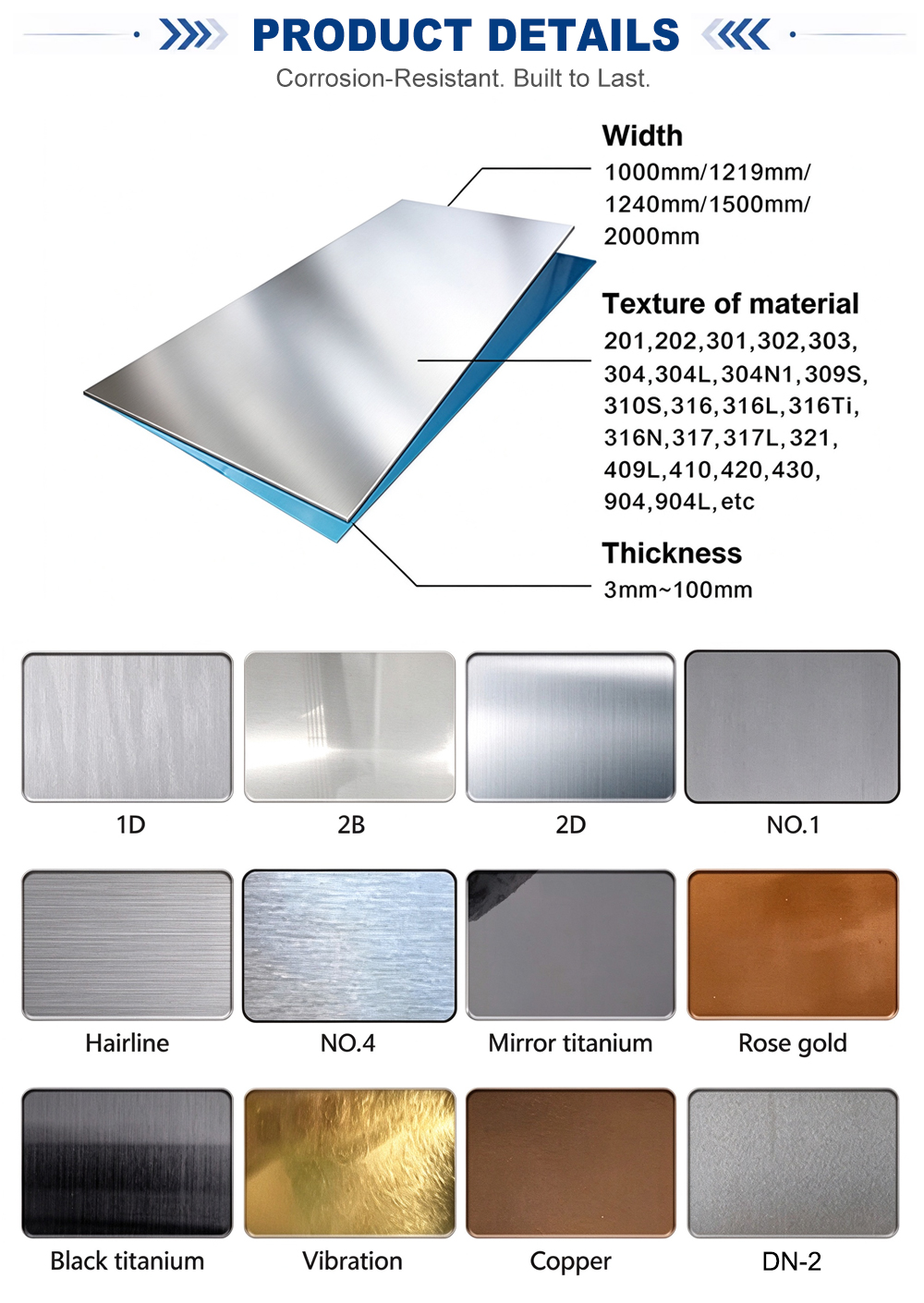
| Thickness | 0.3mm-200mm |
| Length | 2000mm, 2438mm, 3000mm, 5800mm, 6000mm, 12000mm, etc. |
| Width | 40mm-600mm, 1000mm, 1219mm, 1500mm, 1800mm, 2000mm, 2500mm, 3000mm, 3500mm, etc. |
| Standard | ASTM, AISI, JIS, GB, DIN, EN, etc. |
| Surface | BA, 2B, NO.1, NO.4, 4K, HL, 8K, etc. |
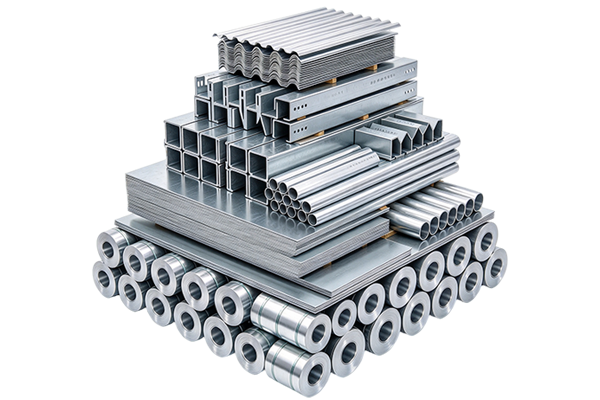
| Scope of Application | Widely used in high temperature and electrical industry, medical equipment construction, chemical, food industry, agriculture and ship parts, food and beverage packaging, |
| Kitchen supplies, trains, airplanes, conveyor belts, vehicles, bolts, nuts, springs and screens, etc. | |
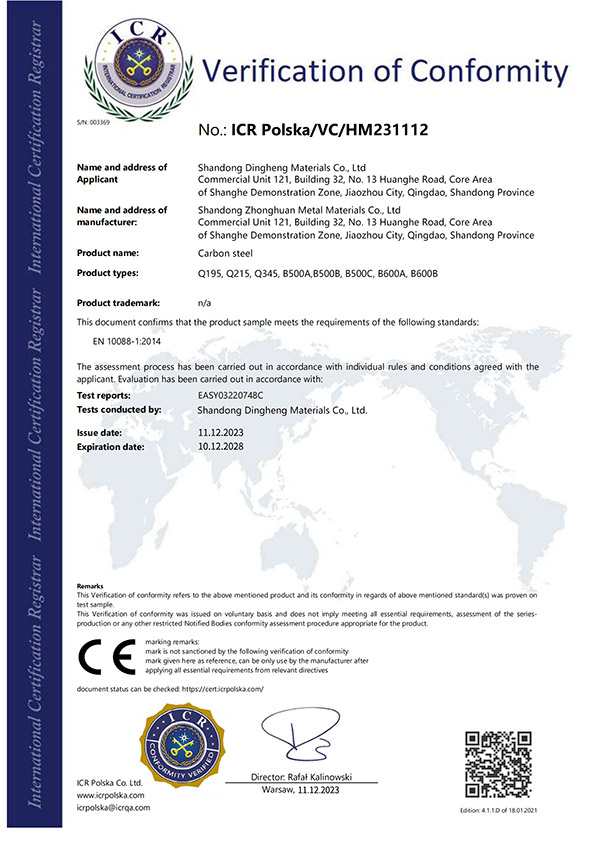
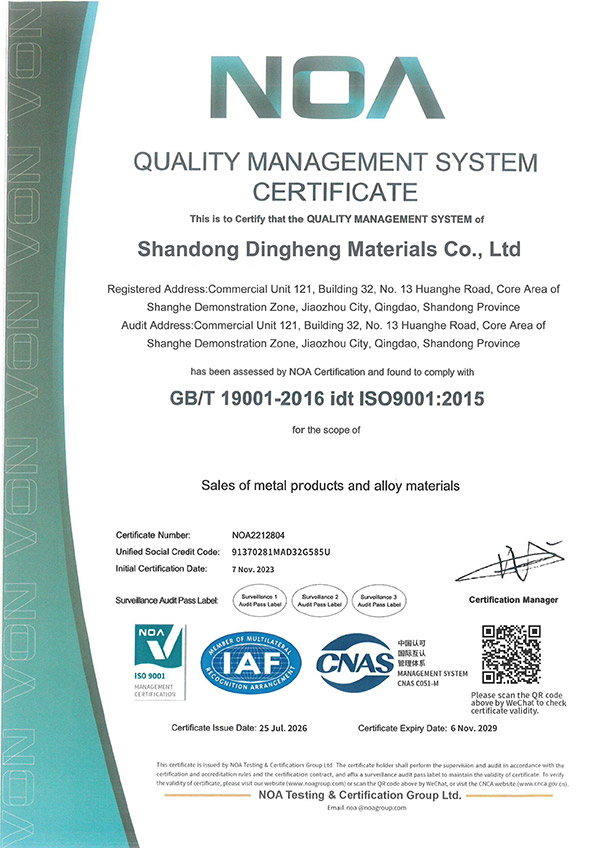
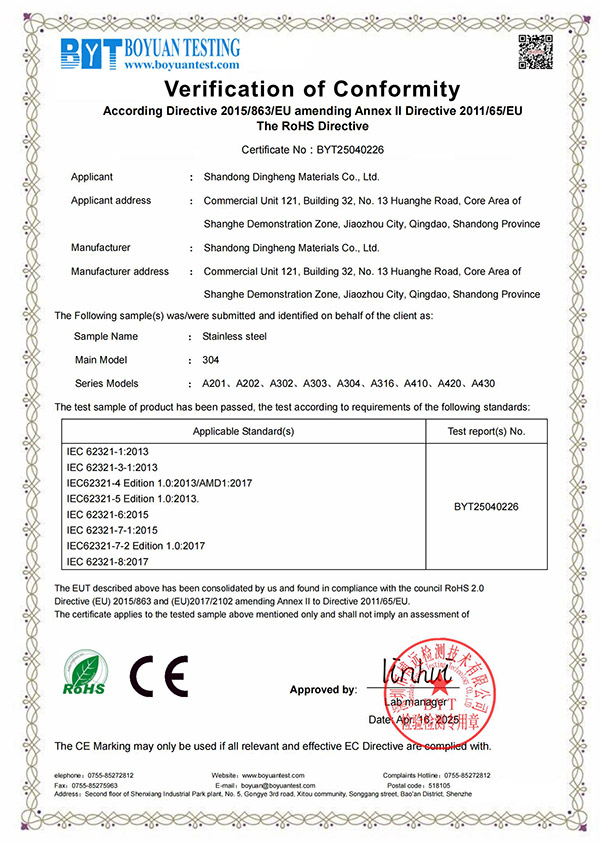
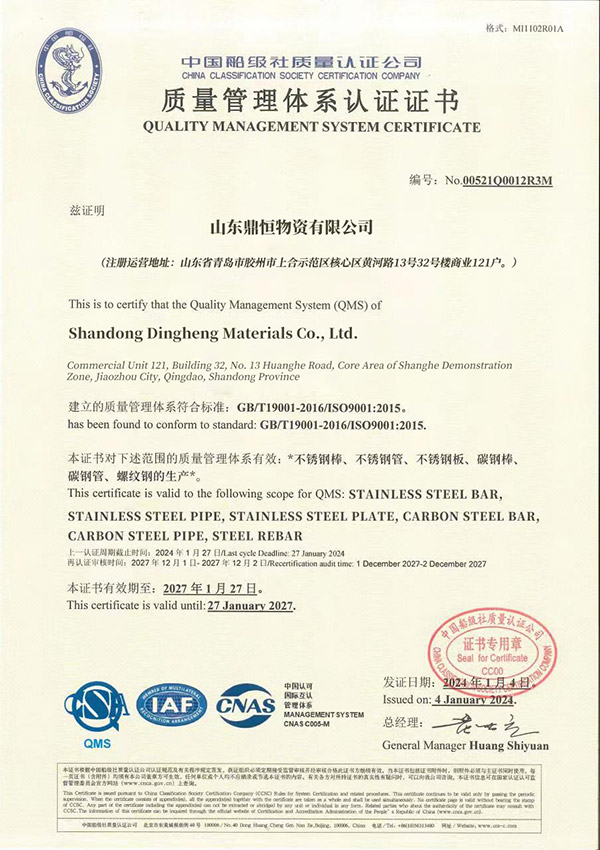
| Certificate | ISO, SGS, BV, etc. |
| Production Technology | Hot Rolling, Cold Rolling |
| Edge Processing | Edging, Trimming |
Chemical Composition
| C | Si | Mn | Cr | Ni | S | P | Mo |
| ≤ 0.03 | ≤1.0 | ≤ 2.0 | 16.0~18.0 | 10.0~14.0 | ≤ 0.03 | ≤ 0.045 | 2.0~3.0 |
Mechanical Properties
| Tensile Strength Kb (MPa) | Yield Strength σ0.2 (MPa) | Elongation D5 (%) | Hardness |
| ≥480 | ≥177 | ≥ 40 | ≤ 187HB;≤ 90HRB;≤ 200HV |
Physical Performance
| Density(g/cm³) | Modulus of Elasticity(Gpa) | Coefficient of Thermal Expansion(10-6/°C) | Coefficient of Thermal Conductivity(W/m*K) | Resistivity(ΜΩ. cm) |
| 7.99 | 193 | 16 | 16.2 | 74 |