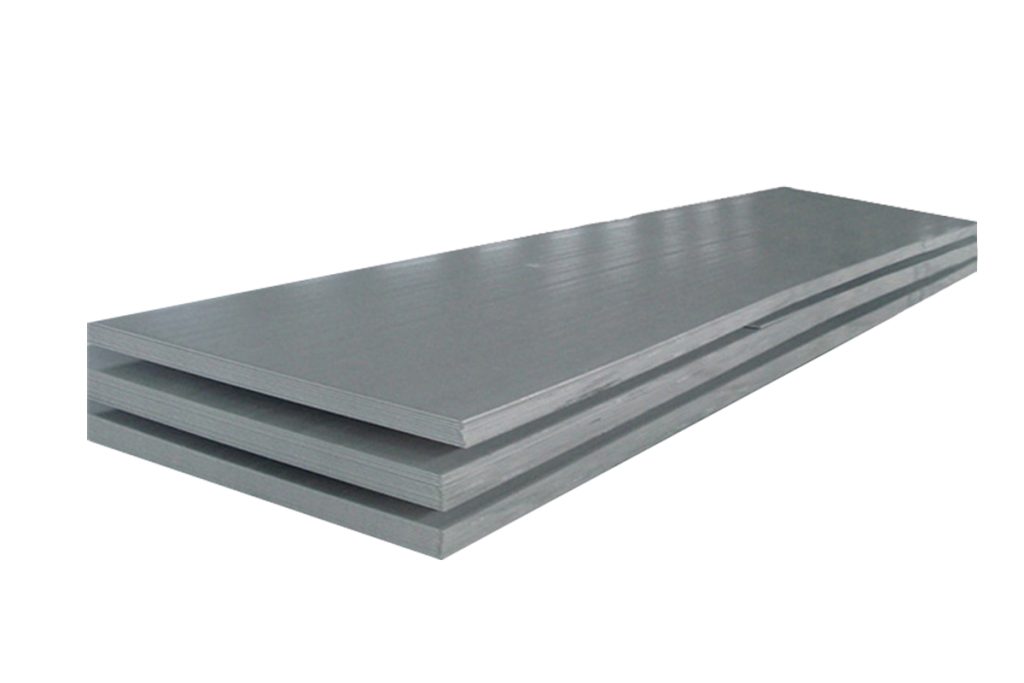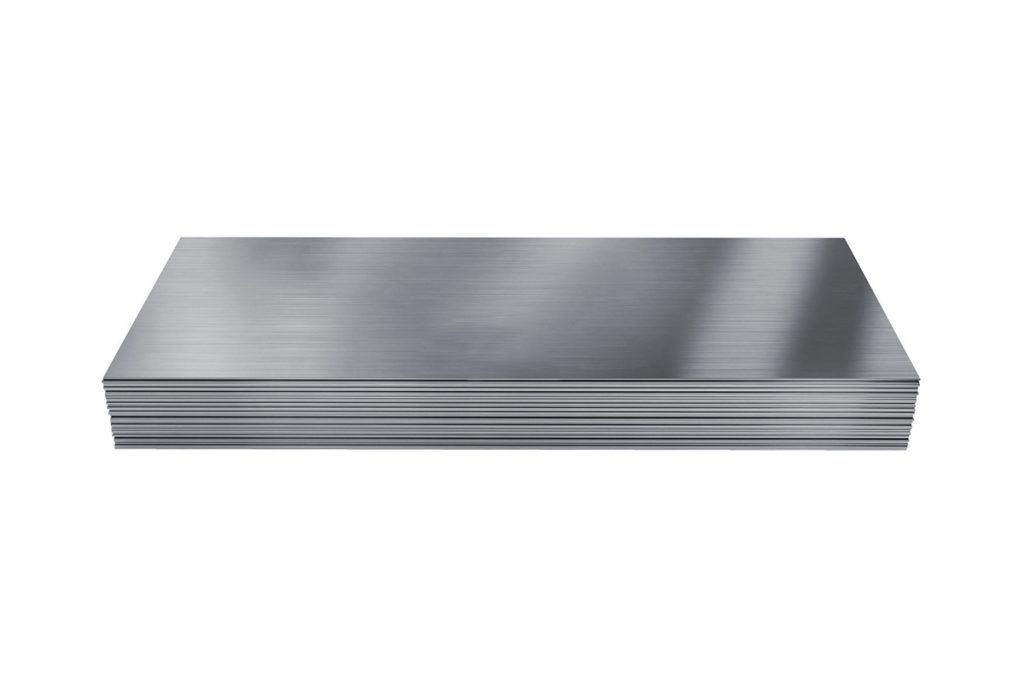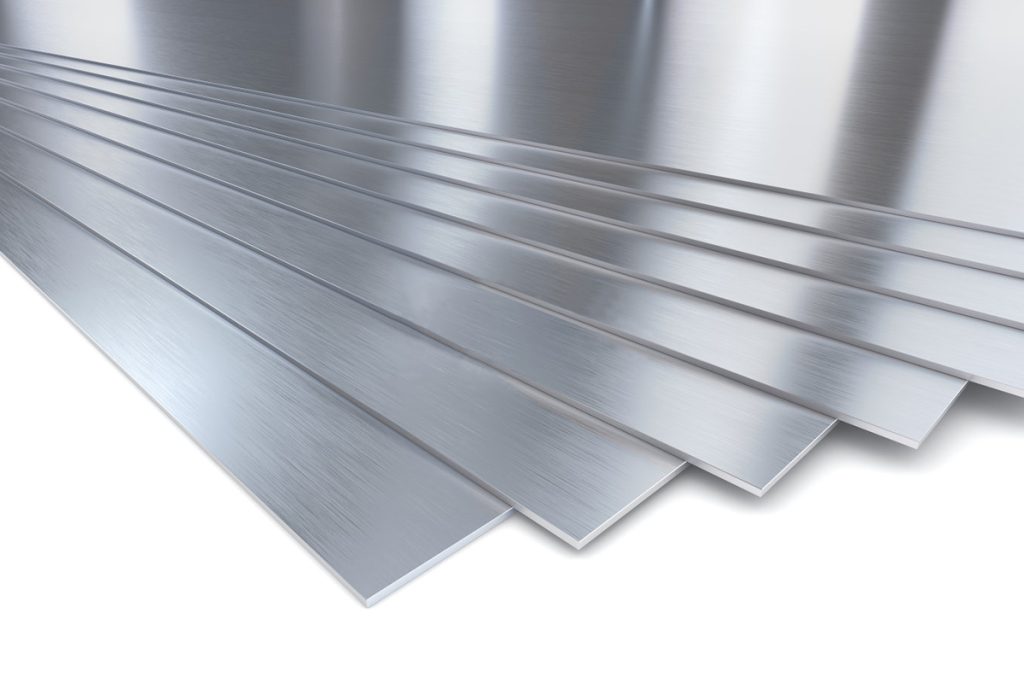
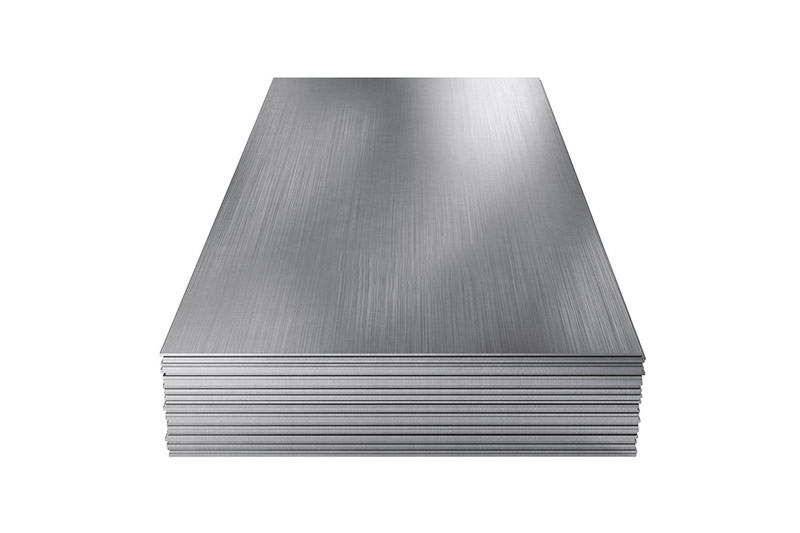
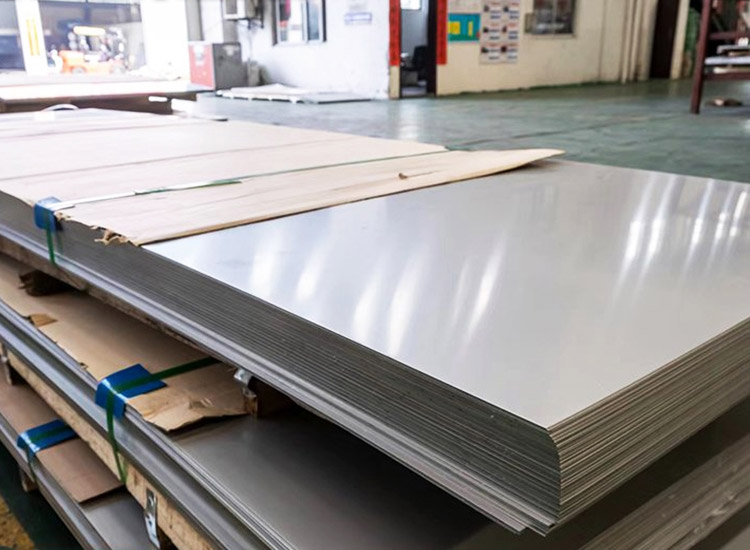
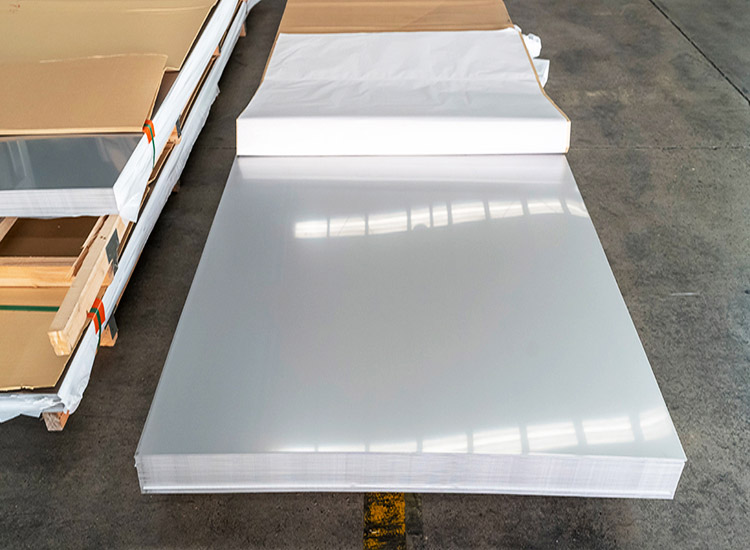
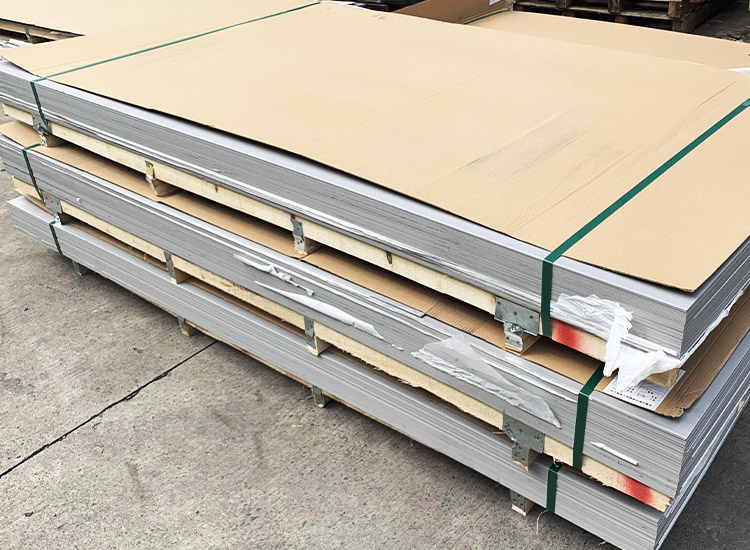
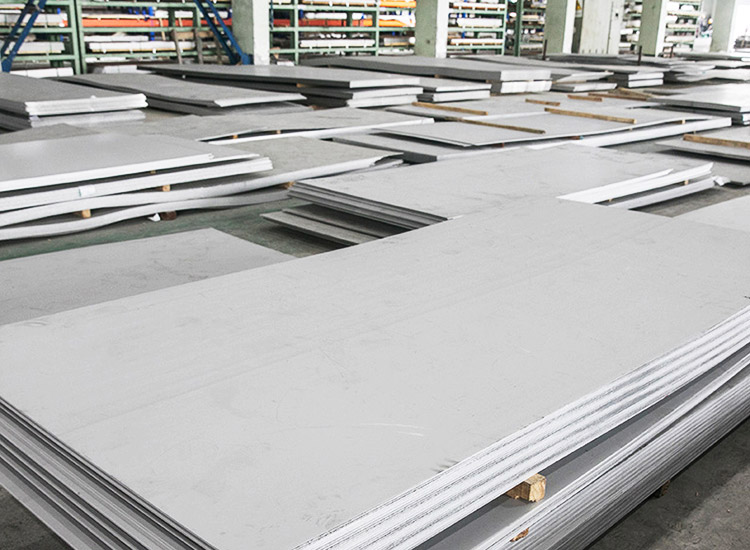
304L Stainless Steel Plate
304L stainless steel is remarkably similar to 304 stainless steel in their chemical composition. but there is one key difference. In grade 304 stainless steel, the maximum carbon content is set at 0.08%, whereas grade 304L stainless steel has a maximum carbon content of 0.03%. This is why the “L” in 304L can be interpreted as extra-low carbon. It is widely used in the production of equipment and parts that require
Product Parameters
| Product Name | 304L Stainless Steel Plate |
| Type | Plate |
| Thickness | 0.3mm-200mm |
| Length | 2000mm, 2438mm, 3000mm, 5800mm, 6000mm, 12000mm, etc. |
| Width | 40mm-600mm, 1000mm, 1219mm, 1500mm, 1800mm, 2000mm, 2500mm, 3000mm, 3500mm, etc. |
| Standard | ASTM, AISI, JIS, GB, DIN, EN, etc. |
| Surface | BA, 2B, NO.1, NO.4, 4K, HL, 8K, etc. |
| Scope of Application | Widely used in high temperature and electrical industry, medical equipment construction, chemical, food industry, agriculture and ship parts, food and beverage packaging, |
| Kitchen supplies, trains, airplanes, conveyor belts, vehicles, bolts, nuts, springs and screens, etc. | |
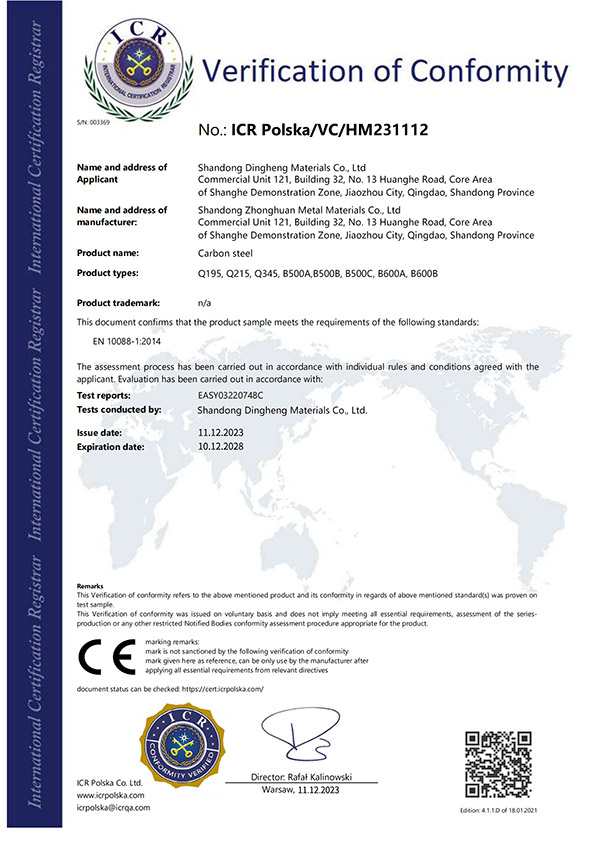
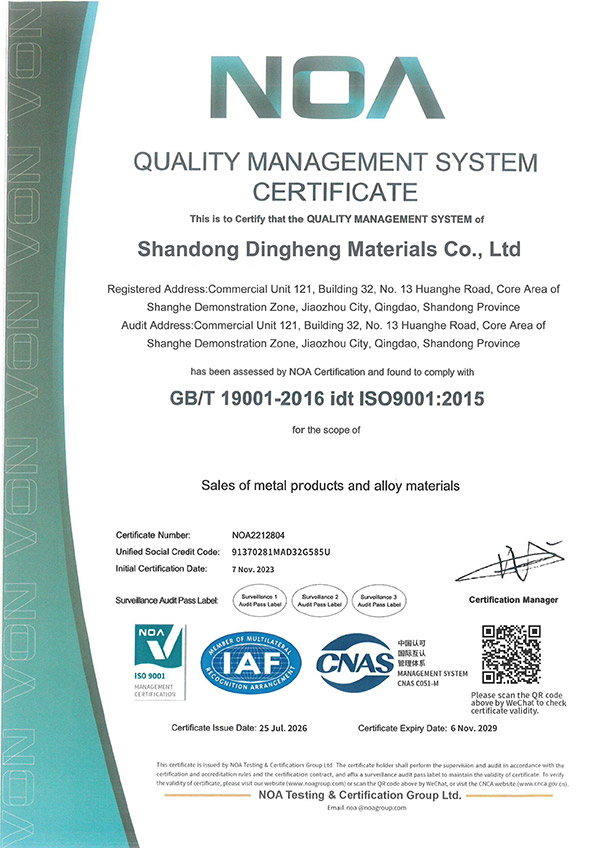
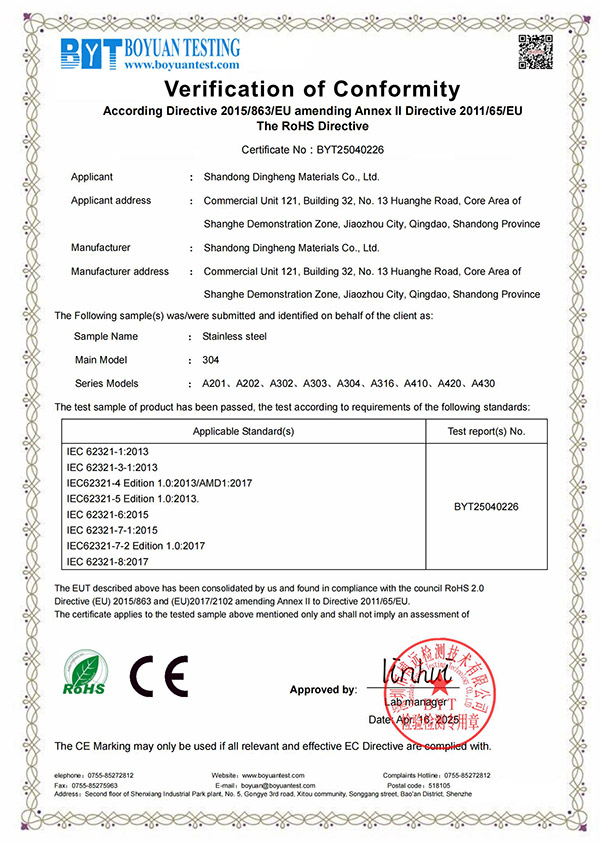
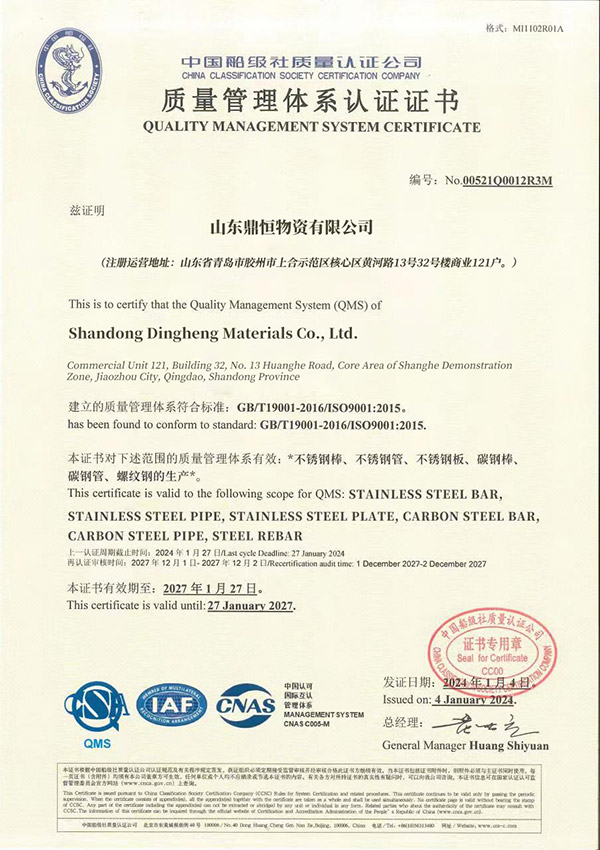
| Certificate | ISO, SGS, BV, etc. |
| Production Technology | Hot Rolling, Cold Rolling |
| Edge Processing | Edging, Trimming |
Chemical Composition
| C | Si | Mn | Cr | Ni | S | P |
| ≤ 0.03 | ≤1.0 | ≤ 2.0 | 18.0~20.0 | 8.0~12.0 | ≤ 0.03 | ≤ 0.035 |
Mechanical Properties
| Tensile Strength Kb (MPa) | Yield Strength σ0.2 (MPa) | Elongation D5 (%) | Hardness |
| ≥ 520 | ≥ 205 | ≥ 40 | ≤ 187HB ;≤ 90HRB;≤ 200HV |
Physical Performance
| Density(g/cm³) | Modulus of Elasticity(Gpa) | Coefficient of Thermal Expansion(10-6/°C) | Coefficient of Thermal Conductivity(W/m*K) | Resistivity(ΜΩ. cm) |
| 8.03 | 193 | 16.9 | 16.2 | 72 |